

GSEID urges whole-person approach to cerebral palsy
By Golok Nanmwa, Jos
The GlowingStar Empowerment Initiative and Development (GSEID) has called for a shift from treating cerebral palsy solely through therapy to adopting a whole-person approach that addresses education, inclusion, accessibility, family support, dignity and opportunities for persons living with the condition.
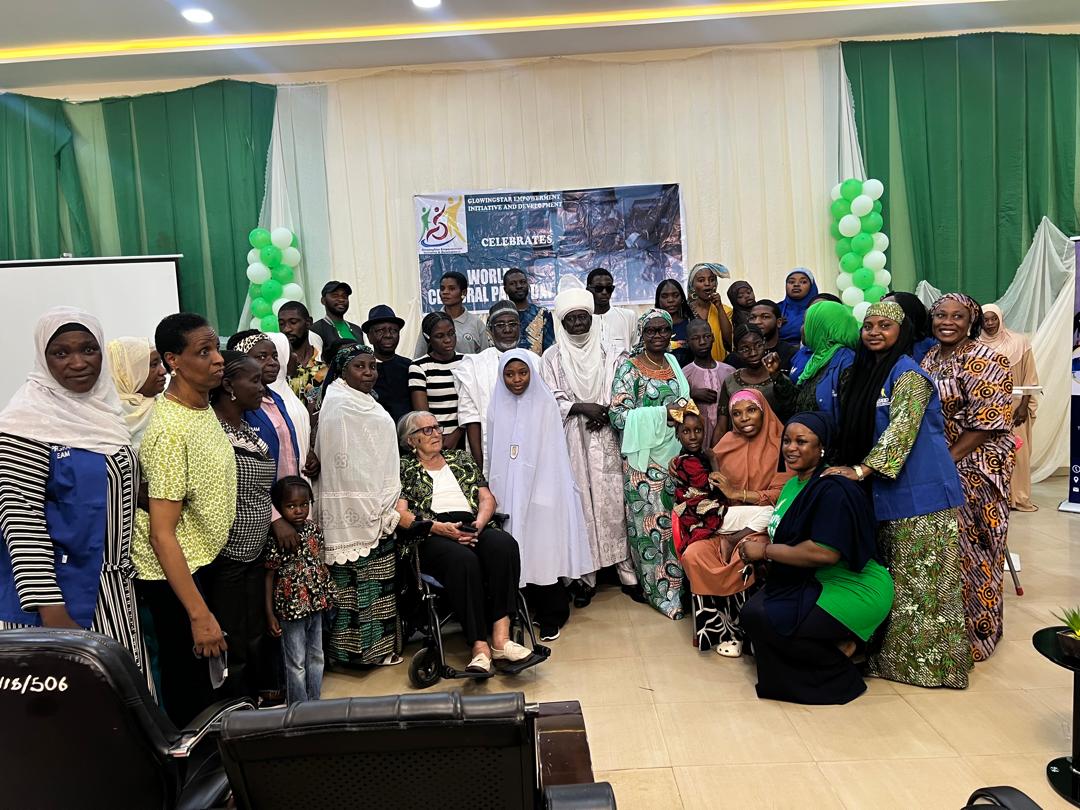
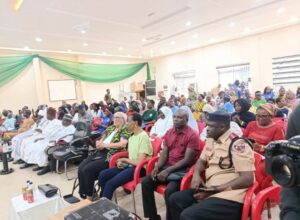
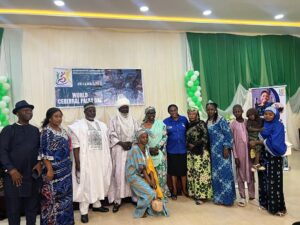
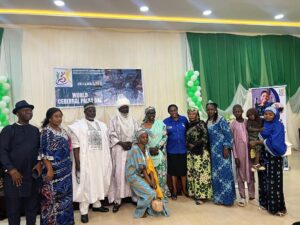
The organisation made the call at the 2026 World Cerebral Palsy Day commemoration held at the ITF Centre for Excellence, Bukuru, Plateau State, with the theme, “Unique and United,” and sub-theme, “Beyond Therapy: The Whole-Person Approach to Cerebral Palsy.”
Speaking at the event, the Convener and Founder of GSEID, Atta Safiya Mansoor, said therapy remained important but was not enough to guarantee that children and adults living with cerebral palsy could fully participate in society.
Mansoor said, “If a child can walk but cannot attend school, have we done enough? If a child receives therapy but is bullied, have we done enough? If a child has a wheelchair but cannot enter the school building, have we done enough?
“Beyond Therapy means seeing the whole person and changing the environment around them so their abilities can flourish.
“The person is bigger than the condition. The child is bigger than the diagnosis.”
She stressed that every person living with cerebral palsy was unique, noting that while some may walk independently, others may use wheelchairs, while some communicate verbally and others communicate differently.
According to her, “Different abilities must never become different human worth.”
She said the whole-person approach should ask whether a child could learn and communicate, participate, play and make friends, attend school, develop useful skills and, eventually, work and live with dignity and greater independence.
“The goal is not to erase disability. The goal is to remove unnecessary barriers to dignity, participation, opportunity and potential,” she said.
Mansoor further explained that many families living with cerebral palsy face financial pressure, repeated medical appointments, transportation challenges, school-related decisions and societal misconceptions.
“Many families are doing their very best with very limited resources. They should not have to carry this burden alone.
“This is not simply about charity. It is about dignity, inclusion, opportunity and shared responsibility,” she said.
She also unveiled the GSEID Sponsor-A-Child Initiative, saying the programme was designed to support children whose families could not afford essential services.
According to her, depending on assessed needs, sponsorship could help a child access assessment, physiotherapy, speech and language therapy, nutrition support, specialised consultation, assistive devices and practical guidance for families.
“When you sponsor a child, you are not simply giving money. You are investing in possibility,” Mansoor said.
She urged individuals, government agencies, schools, healthcare professionals, community leaders, employers and development partners to play their respective roles in creating a more inclusive society.
“If you can sponsor a child, sponsor a child. If you can provide professional expertise, give your expertise.
If you can provide equipment, give an assistive device. If you can open a door, open it.
“If you can influence policy, use your influence. If you can educate others, raise awareness.
“And if all you can do today is change the way you see a child with a disability—start there,” she said.
Delivering the keynote address, Dr Prince Charles Dickson, alongside other speakers, experts and stakeholders, emphasised the need for greater awareness, inclusion and coordinated support for persons living with cerebral palsy and their families.
The programme featured a panel discussion on the sub-theme, “Beyond Therapy: The Whole-Person Approach to Cerebral Palsy,” with a paediatrician, physiotherapist, special educator, nutritionist and a person living with cerebral palsy participating in the discussion.
The panel examined the need to move beyond clinical intervention to address education, nutrition, communication, psychosocial support, assistive technology, family welfare, employment and social participation.
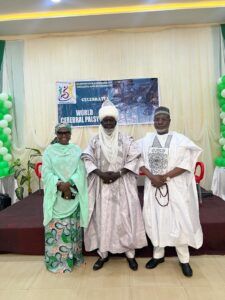
The event was attended by representatives of the Gbong Gwom Jos, His Highness Gwom Rwey Fan, Da Iliya Dashwei; representative of the Emir of Wase, Alhaji Mustapha Umar Galadiman Wase; parents and caregivers, healthcare professionals, educators, representatives of organisations of persons with disabilities, community leaders, development partners and members of the media.
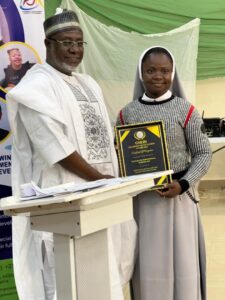
Mansoor said the vision of GSEID was captured in its message “Every Child Seen. Every Ability Valued.”
She added, “Sometimes, changing a child’s future begins with changing the way society sees that child.”
She called for a collective commitment to move “from pity to dignity, from exclusion to inclusion, from silence to advocacy, from late intervention to early action, from isolation to support and from limitation to opportunity.”
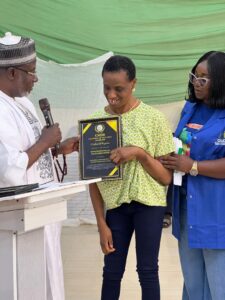
She said, “Every Child is Seen. Every Ability is Valued. Every Family is Supported. Every Person Belongs.”
The convener said GSEID remained committed to turning awareness into practical action and building partnerships capable of reaching more children and families affected by cerebral palsy.