


By Caesar Jadu Payi
The Federal Government’s approval to expand the Nigerian Army from 8 to 12 Divisions, alongside the recruitment of 28,000 additional personnel, represents one of the most significant reforms of Nigeria’s defence architecture in recent years. Beyond strengthening national defence, this decision presents a strategic opportunity to reinforce security in Plateau State and the wider North-Central region.

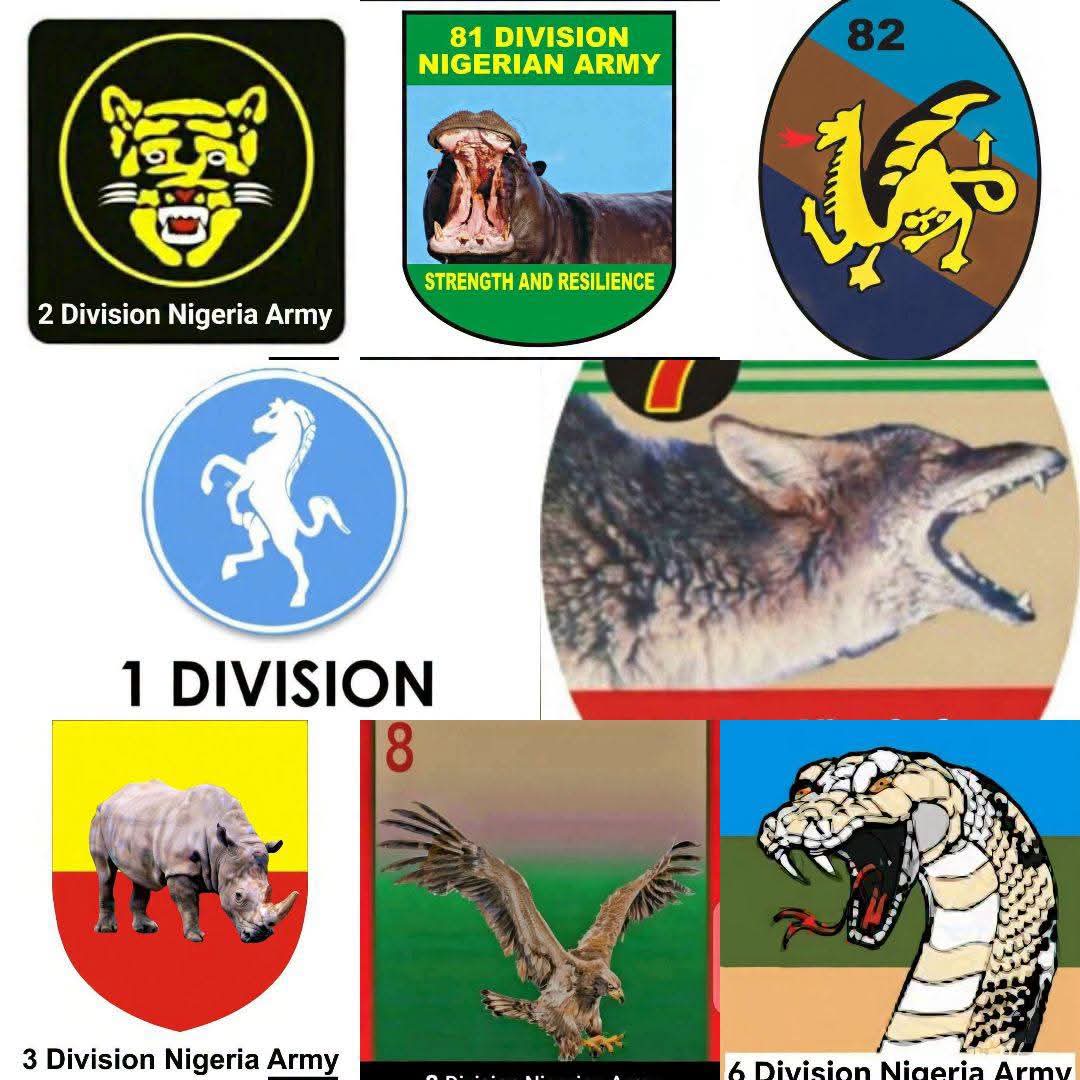
For decades, 3 Division, Nigerian Army, Jos, has borne responsibility for Plateau, Taraba and Adamawa States, stretching military resources, logistics, intelligence and command attention across multiple operational theatres. Under the new structure, 10 Division, Jalingo, assumes responsibility for Taraba and Adamawa, while 5 Division, Makurdi, oversees Benue, Nasarawa and Kogi States. This restructuring significantly reduces the operational burden on 3 Division, enabling it to concentrate more personnel, planning and operational assets on Plateau’s peculiar security challenges.
The reform comes at a critical time where Plateau has experienced recurring communal violence, attacks on rural communities, kidnappings and cross-border criminal activities over the past two decades. These threats are exacerbated by difficult terrain and ungoverned spaces that provide freedom of movement for criminal groups. Recent field research identified 291 ungoverned spaces and 238 security blackspots across Plateau State; demonstrating that the challenge is not merely one of troop strength but also of territorial presence, intelligence coverage and rapid response capability.
Military history consistently shows that proximity improves operational effectiveness. Nigeria’s establishment of 7 Division in Maiduguri strengthened counter-insurgency operations against Boko Haram, while 6 Division in Port Harcourt enhanced the protection of oil and gas infrastructure in the Niger Delta. Internationally, the United States, the United Kingdom and France have repeatedly reorganized military commands to improve operational flexibility and response to emerging threats. The creation of four additional divisions follows this same strategic logic by decentralizing command, shortening response time, strengthening logistics and improving command and control.
For Plateau State, however, military restructuring alone will not guarantee lasting peace. It should be complemented by stronger coordination through Operation Enduring Peace, enhanced community intelligence and early warning under Operation Rainbow, and sustained collaboration among the military, intelligence agencies, local governments, traditional institutions and community leaders. The proposed State Police, if established with clear constitutional safeguards, professional standards and effective oversight, could further strengthen community policing and intelligence gathering at the grassroots.
Technology must also become a force multiplier. Recent conflicts in Ukraine and the Sahel have demonstrated how drones, satellite imagery, artificial intelligence, Geographic Information Systems (GIS), predictive analytics and integrated surveillance platforms have transformed modern security operations. Given Plateau’s forests, mountains and remote settlements, these technologies can significantly improve surveillance, monitor ungoverned spaces and support faster deployment of security forces. Equally important is investment in cybersecurity to safeguard military communications, intelligence databases and other critical government infrastructure against cyberattacks and information warfare.
The security of Plateau State ultimately depends on an integrated approach. Hence , military reforms must be matched with technological innovation, intelligence-led policing, institutional coordination and active community participation. Evidence from successful counter-insurgency and stabilization efforts around the world shows that sustainable peace is achieved when governments combine military capability with effective governance, local intelligence, economic resilience and public trust.
The expansion to 12 Army Divisions is therefore more than an increase in military formations; it is an opportunity to redesign Plateau State’s security architecture for the twenty-first century. If complemented by technology, institutional reforms and stronger collaboration between federal and state security actors, the renewed operational focus of 3 Division, Jos, can significantly improve the protection of vulnerable communities, deny criminal groups the use of ungoverned spaces, safeguard critical infrastructure and consolidate lasting peace. The Army has provided a stronger operational foundation. It is now the responsibility of government, security institutions and citizens alike to build upon it.
_Caesar Jadu Payi is a graduate of History and International Studies from the University of Jos and holds a Master’s degree in International Relations and Diplomacy from Coventry University, United Kingdom. He also possesses a Certificate in Conflict Management and Early Response Skills from the United States Institute of Peace (USIP) and has attended a course on Strategic Anticipation and Crisis Management organized by Peace and Development Consult in collaboration with the National Institute for Policy and Strategic Studies (NIPSS), Kuru. His research interests include Diplomacy, African Governance, and Global Security._

