


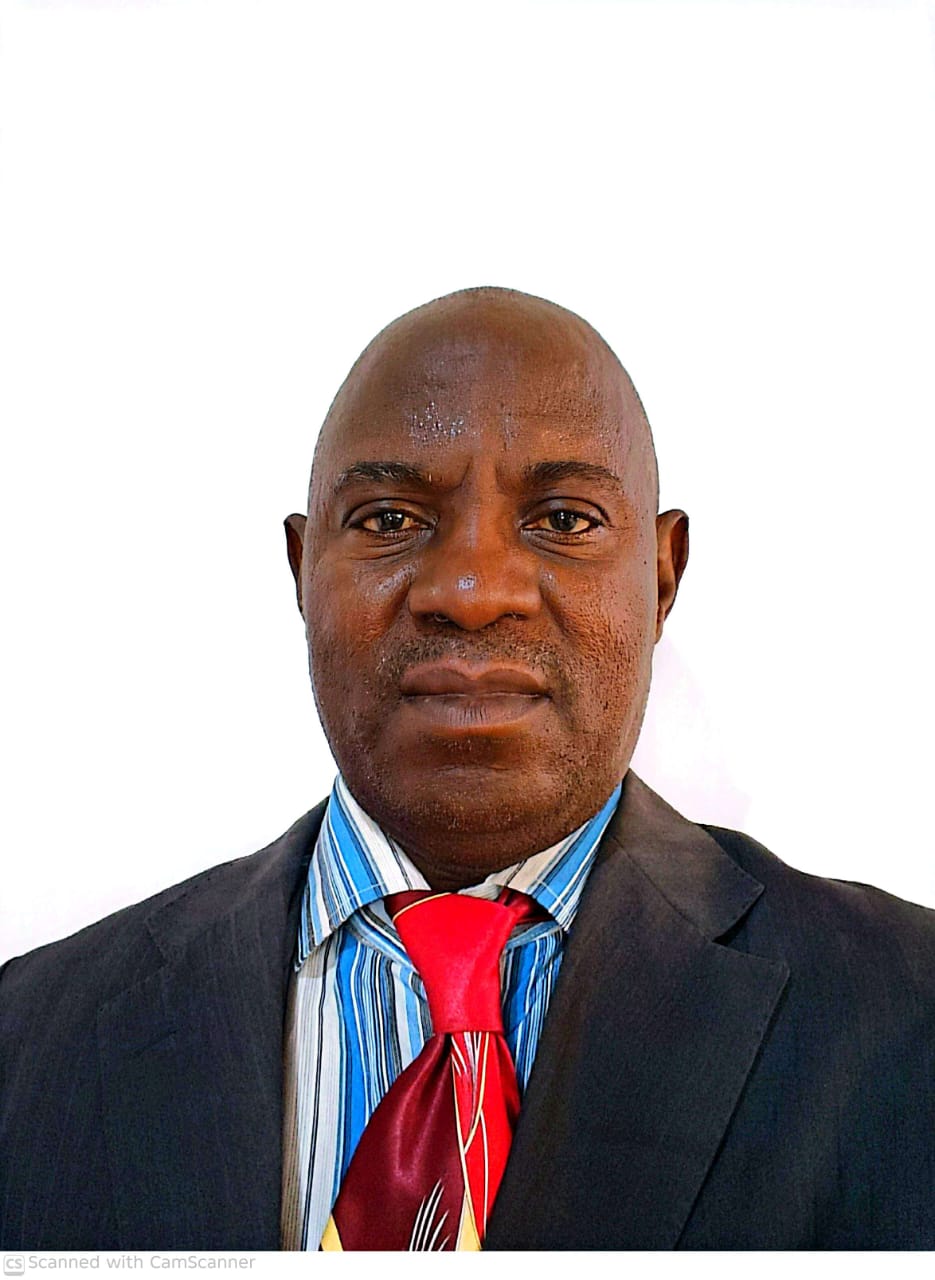
Standup for Women Society (SWS) has expressed deep concern over the rising cases of child trafficking and kidnapping across Nigeria, calling for urgent and coordinated national action to address what it described as a growing crisis threatening the safety and future of Nigerian children.
In a press statement issued through the Office of the Director of Media and Communications and signed by Barr. (Mrs.) Deborah A. Ijadele-Adetona, International President, Standup for Women Society (SWS) the organization cited recent incidents reported in Oyo, Kebbi, Borno (Maiduguri), and other parts of the country as evidence of worsening insecurity affecting children.
According to SWS, child trafficking and kidnapping are no longer isolated incidents but a national emergency requiring immediate intervention from government institutions and relevant stakeholders.
The organization strongly condemned the abduction, trafficking, exploitation, and violence against children, describing such acts as cruel and unacceptable.
It also extended sympathy to families affected by these crimes and commended survivors, parents, community leaders, and advocates working to protect vulnerable children.
While acknowledging efforts by security agencies and some state governments in rescuing victims and arresting suspects, SWS maintained that reactive measures alone would not solve the problem.
The group called for the immediate establishment of a Presidential Task Force on Child Trafficking and Kidnapping to coordinate intelligence gathering, rescue operations, victim support services, and prosecution efforts nationwide.
Among other recommendations, SWS urged authorities to ensure swift prosecution and public disclosure of convicted traffickers and kidnappers, establish functional shelters and rehabilitation centres in affected states, and increase funding for agencies including NAPTIP, the Nigeria Police Force, NSCDC, immigration authorities, and community-based security structures.
The organization also advocated the creation of Child Protection Desks in schools, markets, motor parks, healthcare facilities, and border communities to strengthen early detection and response mechanisms.
SWS further emphasized the need for sustained public awareness campaigns in local languages to educate parents and communities on trafficking tactics and encourage early reporting.
Calling on the Federal Government, National Assembly, state governors, traditional institutions, religious leaders, civil society groups, and citizens to act collectively, the organization urged Nigerians to treat child trafficking and kidnapping as matters of national security.
Referencing this year’s Children’s Day theme, “Future Now: Promoting Inclusion for Every Nigerian Child,” SWS stressed that meaningful inclusion cannot be achieved while children continue to face trafficking, kidnapping, exploitation, and insecurity.
The statement reaffirmed the organization’s commitment to collaborating with government agencies, development partners, civil society organizations, and communities to ensure that every Nigerian child lives in safety, dignity, and freedom.

